Ce este disc golful?
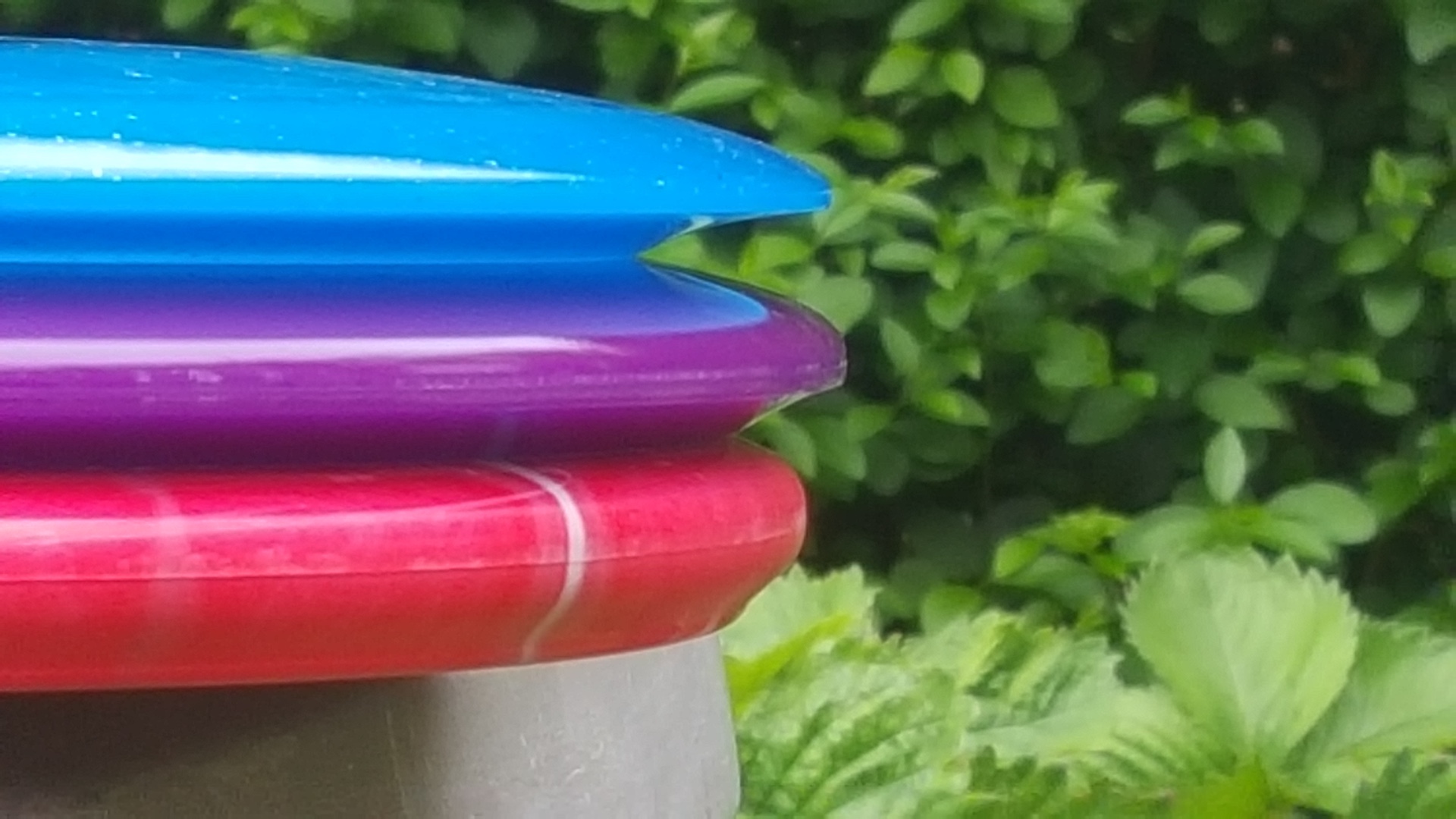
DISCUL
PUTTERE · MIDRANGE · FAIRWAY DRIVERE · DISTANCE DRIVERE. UNDERSTABLE SAU OVERSTABLE.
SPORTUL ZBORULUI
Disc golful este un sport de precizie în care jucătorii aruncă un disc zburător spre o țintă. Scopul este simplu: completează fiecare gaură cu cât mai puține aruncări.
În loc de mingi și crose, folosim discuri aerodinamice special concepute. În loc de găuri în pământ, țintim coșuri metalice înălțate. Este un joc de strategie, fizică și nervi.
Este accesibil, competitiv și poate fi jucat în unele dintre cele mai frumoase spații în aer liber din România.
PENTRU OAMENI
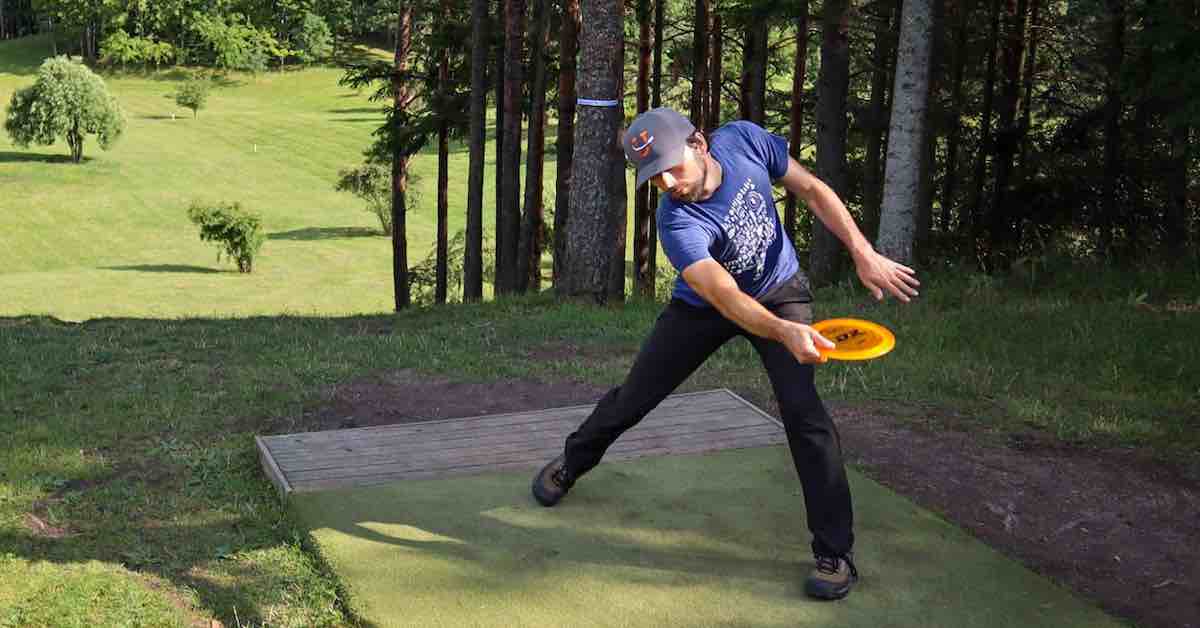
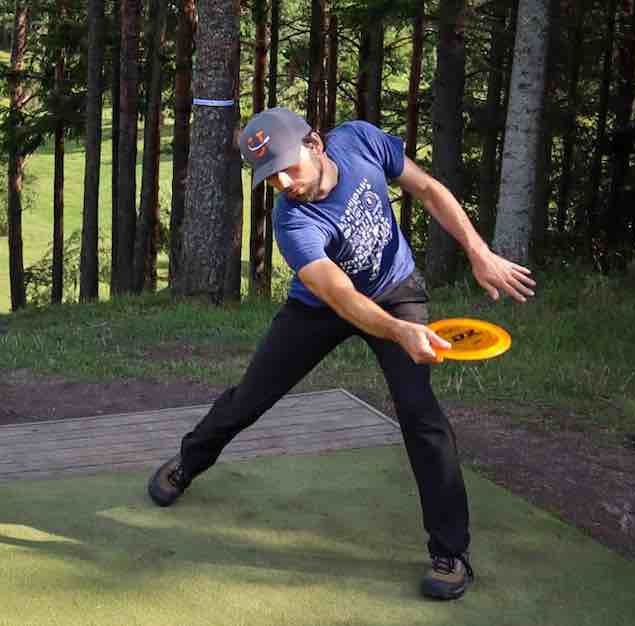
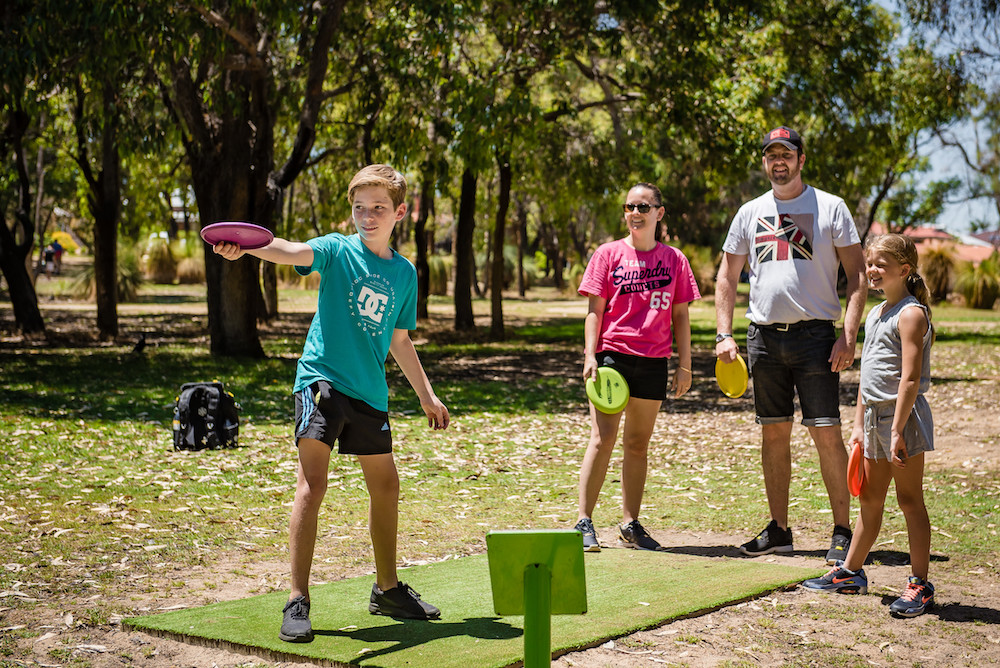
Disc golful nu este doar pentru profesioniști. Este activitatea de exterior perfectă. Majoritatea traseelor sunt gratuite, situate în parcuri superbe și nu necesită decât câteva discuri pentru a începe.
Este despre plimbare, conversație și emoția unui zbor perfect. Nu ai nevoie de abonamente — doar tu, prietenii tăi și fairway-ul.
ARENA COMPETITIVĂ
De la ligi locale la campionate majore, disc golful oferă un peisaj competitiv structurat. PDGA omologhează evenimente la nivel mondial, menținând ratinguri care urmăresc progresul jucătorilor cu precizie chirurgicală.
Diviziile sunt organizate după nivel, vârstă și gen — asigurând că fiecare jucător concurează pe un teren egal. Fie că urmărești gloria de amator sau premiile profesioniste, arena te așteaptă.

CUM O TAVĂ DE PLĂCINTĂ A DEVENIT
UN SPORT GLOBAL
De la farsele studențești din anii 1900 la un sport global practicat de milioane de jucători în întreaga lume — ascensiunea improbabilă și de neoprit a disc golfului.
TOTUL A ÎNCEPUT CU
TĂVI DE PLĂCINTĂ & CAPACE DE POPCORN
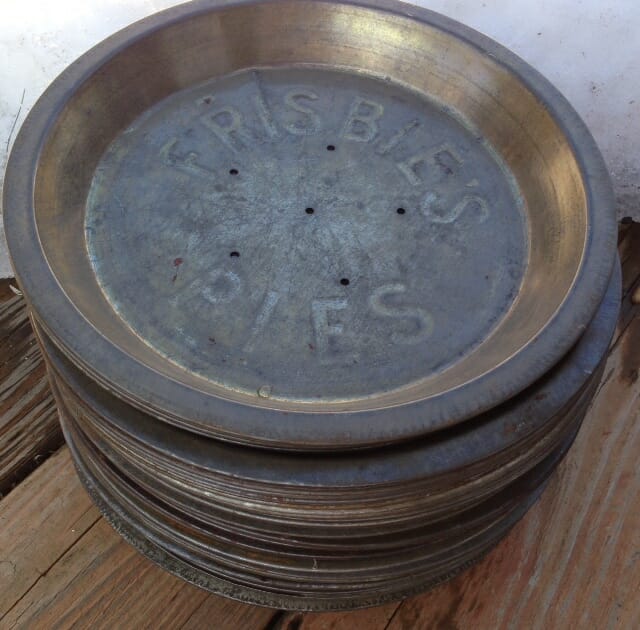
Știai că oamenii joacă o formă de disc golf de aproape 100 de ani? Totul a început la începutul anilor 1900, când studenții de la Yale și alte universități din New England au descoperit că tăvile metalice goale de la Frisbie Pie Company din Bridgeport, Connecticut zburau remarcabil de bine când le dădeai un bobârnac — strigau „Frisbie!" ca să avertizeze pe oricine din traiectorie și, fără să știe, au dat unei viitoare jucării de miliarde de dolari numele său. Între timp, în California, un tânăr pe nume Walter Frederick Morrison și prietena lui aruncau un capac de cutie de popcorn pe o plajă din Santa Monica în 1937, când un străin le-a oferit 25 de cenți pe el. O tavă de prăjitură costa doar 5 cenți — iar instinctele antreprenoriale ale lui Morrison s-au activat imediat.
După ce a servit ca pilot de vânătoare în Al Doilea Război Mondial (a zburat cu P-47, a fost doborât deasupra Italiei și a petrecut timp ca prizonier de război), Morrison s-a întors acasă și a canalizat ce învățase despre aerodinamică în construirea unor discuri zburătoare mai bune. „Flyin-Saucer" (1948) a profitat de obsesia Americii pentru OZN-uri, dar Pluto Platter (1955) a devenit strămoșul fiecărui disc pe care îl aruncăm astăzi. În ianuarie 1957, a vândut drepturile către Wham-O, care l-a redenumit Frisbee după ce a auzit cum îl numeau deja studenții. Peste 100 de milioane s-au vândut până în 1977 — dar Frisbee-ul era încă doar o jucărie. Sporturile abia urmau să apară.
FRISBEE-UL DEVINE SPORT
CINCI SPORTURI, DE FAPT
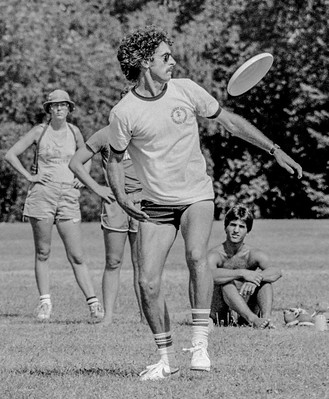
În 1964, Wham-O l-a angajat pe Ed Headrick, care a reproiectat Frisbee-ul cu nervuri ridicate ce îi stabilizau zborul — brusc puteai controla efectiv unde mergea. Această descoperire a aprins fitilul, iar până la sfârșitul anilor 1960 și '70 o întreagă familie de sporturi cu disc zburător apăruse: Ultimate (1968), Freestyle (1974), Guts, Disc Dog și, bineînțeles, Disc Golf. În 1984, toate au primit o casă globală comună când a fost înființată Federația Mondială de Disc Zburător (WFDF).
Lucrul amuzant despre disc golf este că nimeni nu l-a inventat într-un singur loc. De-a lungul anilor 1960, ideea de „golf cu un Frisbee" a apărut independent în toată America — studenții de la Rice University aruncau în copaci în 1964, copiii din Augusta foloseau coșuri de gunoi ca ținte, adolescenții din Santa Barbara ocheau foișoare și stâlpi de iluminat, iar în Rochester, New York, Jim Palmeri și prietenii organizau ligi competitive din 1970 — toți fără să știe de existența celorlalți. Era același impuls frumos, ieșind la suprafață peste tot deodată: găsește o țintă, aruncă un disc, vezi cine o poate face din mai puține aruncări.
PĂRINTELE DISC GOLFULUI:
UN OM CĂRUIA ÎI DATORĂM MULT
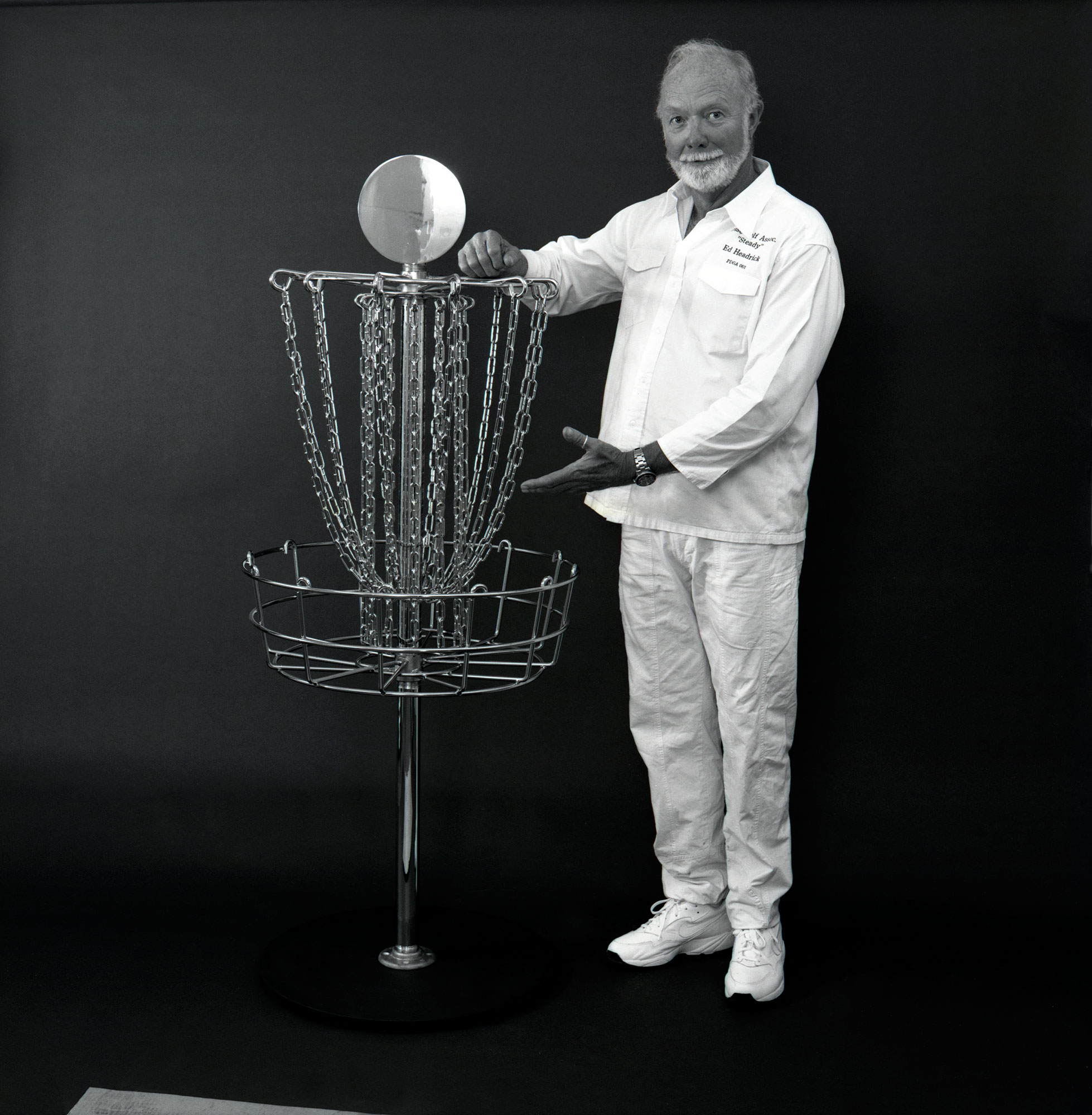
Dacă există o persoană căreia întreaga comunitate de disc golf îi datorează recunoștință, acela este Ed „Steady Ed" Headrick. După ce a reproiectat Frisbee-ul, a instalat primul traseu standardizat de disc golf în Oak Grove Park din California în 1975, apoi a rezolvat vechea dispută „a lovit sau nu ținta?" inventând Disc Pole Hole în 1976 — ținta iconică cu lanțuri și coș care nu s-a schimbat fundamental de atunci, pentru că nu a fost nevoie. Dar cea mai curajoasă mișcare a lui Headrick a fost să renunțe la postul executiv de la Wham-O pentru a fonda Disc Golf Association (DGA) și Professional Disc Golf Association (PDGA), vânzând abonamente pe viață la 10 dolari și acceptând „numerar, cecuri, bilete la ordin, orice putea obține".
A organizat turneul de referință de 50.000 de dolari în 1979, apoi în 1982, a cedat altruist controlul PDGA jucătorilor înșiși. Headrick a continuat să proiecteze trasee până la moartea sa în 2002 — iar ca un final perfect al poveștii sale, cenușa lui a fost turnată într-o serie limitată de discuri memoriale, menite să fie aruncate, nu expuse. Steady Ed ar fi vrut-o așa.
REVOLUȚIA DISCULUI:
CÂND ECHIPAMENTUL A SCHIMBAT TOTUL
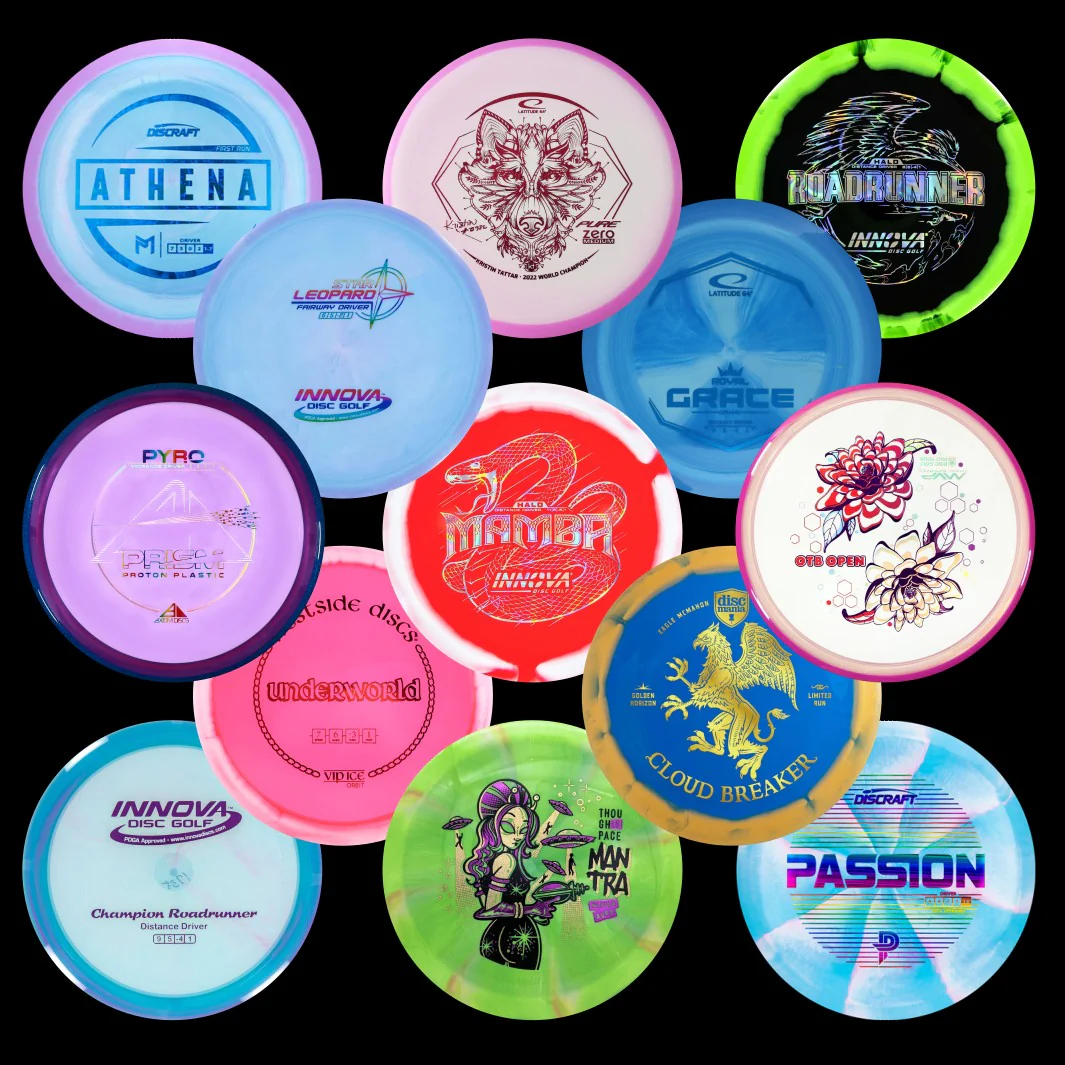
Până în 1983, jucătorii de disc golf jucau cu aceleași discuri rotunjite pe care le-ai folosi ca să arunci la plajă. Apoi Dave Dunipace a schimbat totul. Meșterind cu un letcon și hârtie abrazivă în sudul Californiei, a inventat marginea teșită — o muchie mai ascuțită care tăia aerul mult mai eficient. În 1983, a fondat Innova Champion Discs într-un garaj și a lansat Eagle, primul disc proiectat special pentru disc golf, urmat de legendarul putter Aviar în 1984. Între timp, Jim Kenner și Gail McColl fondaseră Discraft în 1978, construind un alt viitor gigant. Europa nu era nici ea departe — primele Campionate Mondiale PDGA în afara SUA s-au ținut în Helsingborg, Suedia în 1985, iar trasee apăreau deja în toată Scandinavia.
Inovațiile au continuat: coșul DISCatcher de la Innova (1995) a devenit cea mai utilizată țintă din lume, iar sistemul de rating al zborului creat de Dunipace — Speed, Glide, Turn, Fade — publicat în 2002, a dat fiecărui jucător un limbaj comun pentru a înțelege cum zboară discurile. Până în anii 2000, industria înflorea cu producători apărând în toată lumea: Latitude 64 și Kastaplast din Suedia, Discmania din Finlanda, Dynamic Discs și MVP din SUA — astăzi peste 100 de companii produc discuri aprobate PDGA.
DISC GOLFUL DEVINE PROFESIONIST:
ASCENSIUNEA DGPT
Pe parcursul istoriei sale, nici măcar cei mai buni jucători de disc golf nu puteau trăi din acest sport. Asta s-a schimbat în 2016 când Steve Dodge și Nate Heinold au fondat Disc Golf Pro Tour (DGPT), iar momentul ales a fost perfect — canale YouTube precum JomezPro și GK Pro au început să producă acoperire de turnee care făceau disc golful să arate ca un sport adevărat pe ecran pentru prima dată. Scena profesionistă europeană a crescut în paralel, cu European Open (organizat prima dată în Finlanda în 2006) și PDGA Euro Tour atrăgând talent internațional de top. Până la mijlocul anilor 2010, disc golful devenise un sport cu adevărat transatlantic.
În 2021, DGPT și PDGA și-au unit tururile de elită, iar Paul McBeth — de șase ori campion mondial — a semnat un contract uimitor de 10 milioane de dolari cu Discraft. Audiența turneelor a crescut de la 1 milion de vizualizări în 2016 la 50 de milioane în 2022, cu contracte de difuzare pe ESPN și CBS. Sportul nu doar creștea — sosise. Iar în 2026, inaugurala PDGA Europa Cup din Tallinn, Estonia a marcat o altă piatră de hotar pentru continent.

BOOM-UL PANDEMIC:
CÂND LUMEA A DESCOPERIT DISC GOLFUL
Când COVID-19 a închis sălile de sport, stadioanele și activitățile de interior în 2020, milioane de oameni au descoperit că disc golful era practic conceput pentru pandemie: în aer liber, cu distanțare naturală și în mare parte gratuit. Numărul membrilor PDGA a crescut cu 84% într-un singur an, depășind 100.000 de membri activi până în 2021. Producătorii rulau fabricile non-stop și tot nu puteau ține discurile pe rafturi. Douăzeci și patru de noi companii de discuri s-au lansat doar în 2021.
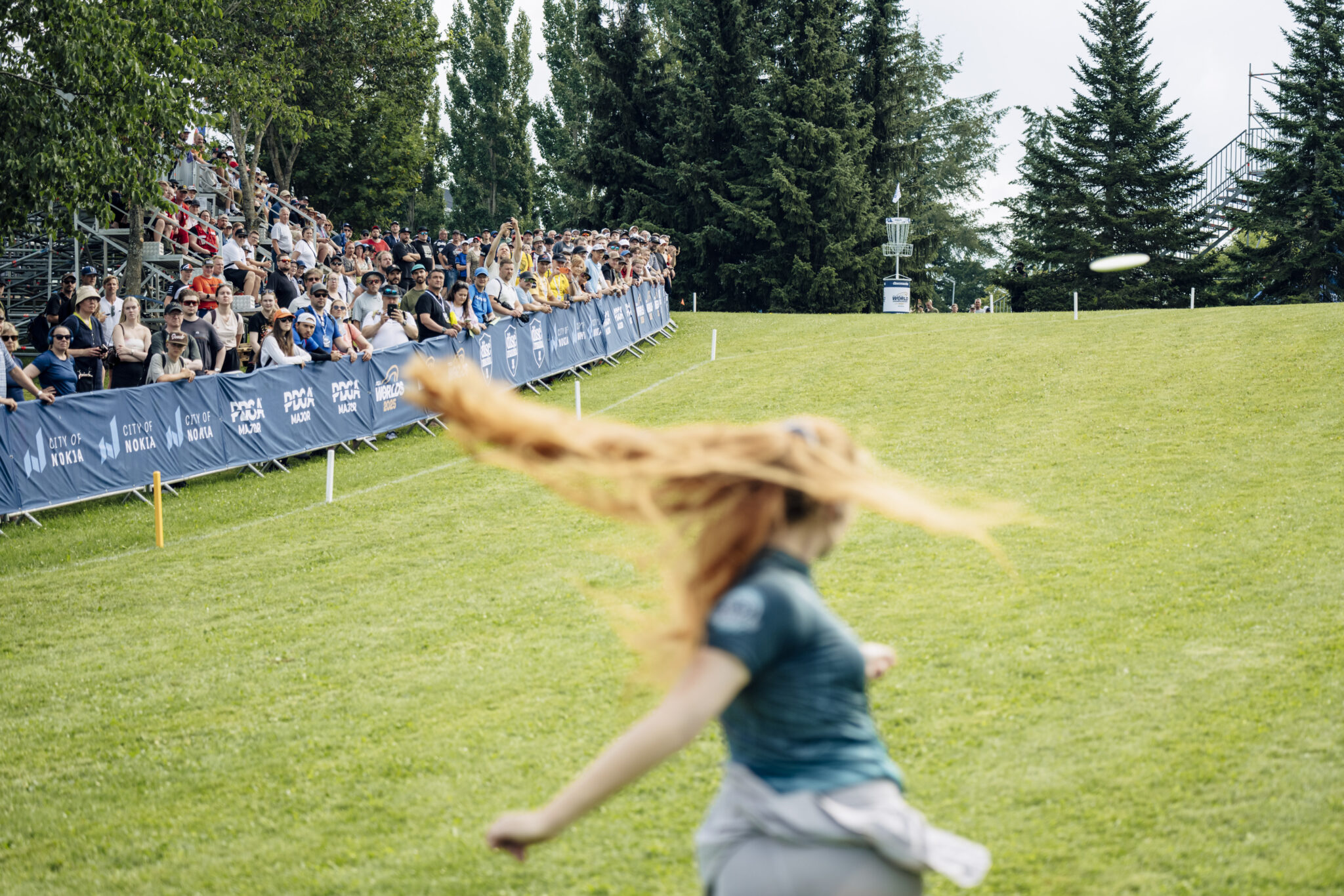
Lucrul crucial este că această creștere s-a menținut. Până în 2023: 15.205 trasee la nivel mondial (dublu față de 2017), 1,4 milioane de utilizatori ai aplicației UDisc, 21,9 milioane de runde înregistrate, 3,4 trasee noi construite pe zi și sportul practicat în 87 de țări. Piața, evaluată la 206 milioane de dolari în 2022, este proiectată să ajungă la 871 milioane până în 2031. Iar ca un reper potrivit, Campionatele Mondiale PDGA 2025 s-au desfășurat în Nokia, Finlanda — inima europeană a disc golfului găzduind cea mai mare scenă a sportului.
DIN CALIFORNIA
ÎN LUME
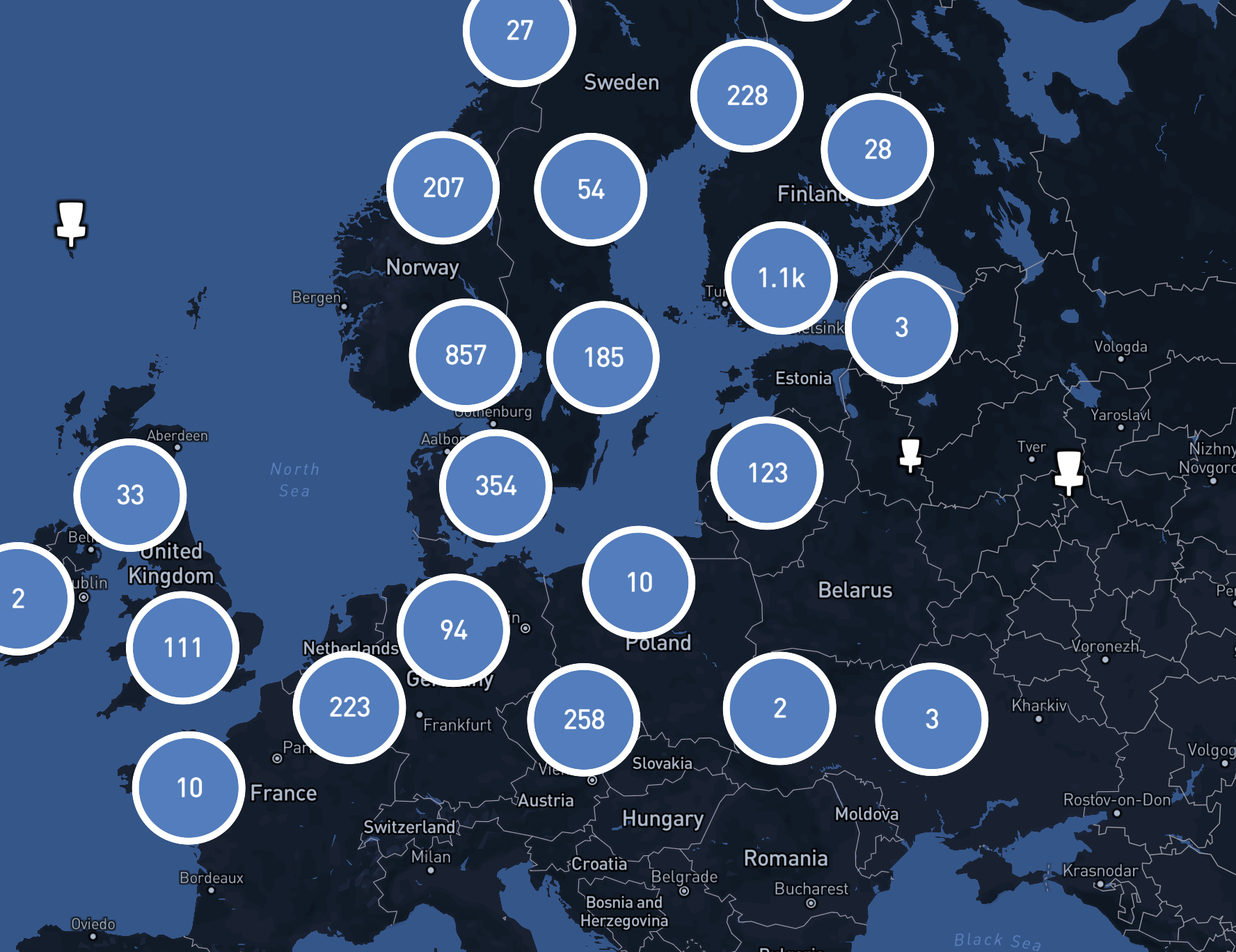
Disc golful s-a născut în California, a traversat Atlanticul în Scandinavia și acum ajunge în fiecare colț al lumii. SUA conduce cu peste 10.000 de trasee, dar adevărata revelație este Europa de Nord: Finlanda are 1.068 de trasee pentru doar 5,5 milioane de oameni (de aproape șase ori mai multe decât traseele de golf!), cu Suedia (683) și Norvegia (637) imediat în spate — toate țări în care traseele de disc golf depășesc numeric traseele tradiționale de golf. Finlanda a început chiar să predea disc golful în școli, iar sportul este așteptat să devină cel mai popular sport din țară în viitorul apropiat. PDGA Europe, înființată ca un comitet în 2006 și înregistrată complet la Helsinki în 2019, supraveghează acum mii de membri activi pe continent. Cehia și-a dublat numărul de trasee în cinci ani, iar orașe precum Praga se numără printre cele mai importante destinații de disc golf din lume.
Mai aproape de casă, Bulgaria și Serbia au primit recent primele trasee cu coșuri permanente cu ajutorul Fundației Paul McBeth, iar Ucraina — în ciuda tuturor — a reușit să construiască încă două trasee din 2022. Și apoi este și partea noastră din poveste: România a avut primul traseu adăugat pe UDisc în 2023, alăturându-se celui mai recent val de expansiune al sportului. Exact asta face Disc Golf Romania — iar dacă istoria disc golfului ne învață ceva, este că cele mai bune capitole sunt scrise întotdeauna de cei care apar devreme și refuză să renunțe. Vino și aruncă cu noi.
PREGĂTIT DE ZBOR?
Fie că îți cauți primul traseu sau următorul turneu major, drumul începe aici.